






Money
Why Flexible Work Beats the Office
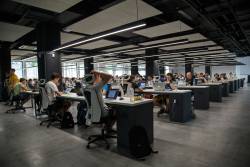
For decades, success meant a desk, a title, and fluorescent lighting. Then the world hit pause—and suddenly, the office didn’t seem so essential. What started as a temporary experiment became a cultural shift: people realized that flexibility isn’t a perk; it’s power. Here’s why the future of work isn’t about where you sit—it’s about how you live.
1. Productivity Doesn’t Live in a Cubicle
For years, companies assumed presence equaled performance. But remote work shattered that illusion. Studies now show productivity often rises when people control their environment. No more performative 9-to-5, no more pretending to “look busy.” The office never made us efficient—it just made us visible.
2. Flexibility Is the New Currency
Forget free snacks and bean bags. What workers actually want is autonomy: to work when they’re focused, rest when they’re drained, and live in between. Flexibility has become the ultimate status symbol—not wealth, not title, but control. Time, not salary, is the new measure of success.
3. The Commute Was Stealing Our Lives
The average worker used to spend over 200 hours a year commuting—time that could’ve been sleep, hobbies, or actual human connection. The pandemic made us realize how absurd that was. Now, even hybrid workers are designing days around energy, not geography. It’s not about staying home—it’s about reclaiming time that used to vanish into traffic.
4. Culture Can Exist Without Coffee Machines
The biggest argument for the office used to be “collaboration.” But culture doesn’t live in hallways—it lives in trust, communication, and shared purpose. Teams that thrive remotely do it through intentional connection, not forced proximity. The best workplaces aren’t places at all—they’re systems that make people feel seen, even from afar.
5. Flexibility Doesn’t Mean Disconnection
The fear was that remote work would make us isolated. The reality? It made us intentional. Colleagues meet on purpose now, not just by accident. Flexibility gives us the space to design our own boundaries—to choose when to be “on” and when to be human. That’s not laziness; that’s evolution.
__thumb__250x250__70__5cc8abe2c07c00beb22c0dd8c9939c93.jpg)